
Blacktown and Penrith Residents Love These Gutter Repair Prices
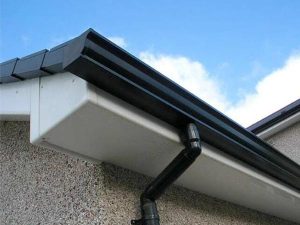
Most major roofline problems do not begin with a dramatic leak. They start small, quietly, and expensively. A little overflow here. A bit of rust there. One loose bracket nobody notices. Then one day, your Western Sydney gutters are no longer guiding water away from your home, they are sending it straight into places it should never reach.
That is the real problem with gutter damage. It hides in plain sight.
If you own a home in Western Sydney, now is the time to look up. Between leaf build-up, sudden downpours, harsh sun, and general wear, gutters can go from “mostly fine” to “why is there water running down my walls?” faster than most people expect.
Why Western Sydney Gutters Fail?
Western Sydney homes deal with a mix of conditions that can be rough on guttering. Hot weather can cause expansion and contraction over time. Storms dump water quickly. Gutters near trees tend to get full of leaves, bark, and seedpods. Once there’s a blockage, there is only so much place that the water can go, so it spills over the side of the gutter, behind the gutter, and down into your roof line.
That is when the hidden costs begin.
Water can damage:
• Fascia boards
• Eaves and soffits
• Exterior paint
• Garden beds and paving
• Internal ceilings and walls
• Foundations in severe drainage cases
A lot of homeowners are unaware of their gutter problems until they have timber rot, mould or staining and by then, it is a much more costly repair.
So the question to be asking yourself is “when was the last time you had a good look at your gutters from the ground, or had an inspection done by a professional?”
Signs Your Gutters Need Repair or Replacement in Western Sydney
Some warning signs are obvious. Others are easy to brush off until they become a bigger issue. If you notice any of the following, your Western Sydney gutters may already be under stress.
Water spilling over the sides
If water spills out of the side of the gutter in rainy conditions, this typically indicate one of three things: an obstruction, a lack of slope or the gutter has been compromised to the point that it cannot drain effectively.
Sagging or pulling away
Guttering should be sitting tightly and flat along the line of the roof. Sagging or parts that are loose or come away from the wall indicate brackets or gutter failure.
Rust, holes, or split joints
Small rust spots can turn into leaks. Cracks around joins or corners are also common trouble points, especially after years of weather exposure.
Peeling paint or stains outside
An often-overlooked clue is right at the wall just below the gutter. Water stains, peeling or bubbling paint, and dark lines usually reveal places of leakage or overflow above.
Pooling water near the house
If the gutters and downpipes are not doing their work properly water will be standing at the base of the home and can impact upon paving, landscaping and drainage.
Plants growing in the gutter
This may sound drastic, but it happens more than one might imagine. If you have a problem that has been sitting long enough that weeds are able to grow, cleaning them alone is not necessarily the complete solution.
Pro tip: Do not check gutters only after a storm has passed. Watch what happens during the first steady 10 minutes of rainfall. That is when you will spot overflow points, slow drainage, and leaking joints most clearly.
Small Issues Turn into Big Bills
This is where many homeowners get caught out. They delay action because the gutter is “not that bad yet.”
But gutters are not isolated parts of your house. They protect multiple systems at once. When they fail, the cost rarely stays limited to the gutter itself.
A simple leak can lead to:
• Timber rot around the fascia
• Damage to roof edges
• Stained ceilings inside the home
• Mould from repeated moisture exposure
• Erosion in garden beds or around slabs
Think of gutters like the silent traffic controllers of your roof. When they work, nobody notices. When it fails, everything stacks up.
Here is what is aggravating: By the time you notice the damage inside, the outside indications will have been around for months (or weeks).
What Smart Homeowners Check First?
You do not need to climb onto the roof to spot many early warning signs. In fact, for safety reasons, it is better not to. A careful ground-level check can tell you a lot.
Look for these from outside
• Uneven gutter lines
• Visible rust or flaking metal
• Water marks on walls
• Overflowing corners during rain
• Downpipes that drip or back up
• Sections holding debris or plant growth
Ask yourself a few honest questions
• Are the gutters leaking and overflowing in the rain?
• Have I noticed stains near the roofline?
• Are there trees dropping debris onto the roof?
• Have my gutters been checked for more than one year?
If you answered yes to any of those then your Western Sydney gutters need looking at and don’t need any delay.
Repair Now or Replace Later?
Not every damaged gutter needs full replacement. Sometimes a targeted repair is enough. A loose bracket can be secured. A leaking joint can be resealed. Minor sections can be replaced before the rest of the system is affected.
But there are times when replacement makes more sense.
Repair may be enough when:
• The damage is limited to a small area
• The gutter profile is still structurally sound
• Leaks are isolated to joins or corners
• Brackets or alignment need correction
Replacement may be smarter when:
• Rust is widespread
• Multiple sections are sagging
• Leaks keep returning
• The guttering is old and patched repeatedly
• The system no longer handles water effectively
A lot of homeowners spend money twice because they keep patching a failing system. A better approach is to assess whether the gutter still has real service life left.
That is where experience matters. A trained eye can tell the difference between a repairable issue and a system that is already on borrowed time.
The Best Time to Act Is Early
Many people wait until storm season, or until water damage becomes visible. That normally becomes the most stressful, and costly, time to deal with it.
A much more sensible choice is to tackle the problem when it’s at a manageable stage.
Well-maintained Western Sydney gutters help protect:
• Your roofline
• Your walls and ceilings
• Your landscaping
• Your home’s appearance
• Your long-term maintenance budget
And if you are planning to sell, clean, functional gutters also help present your home as well cared for. Buyers notice more than you think.
A Better Way to Prevent Damage
But if there’s only one habit that will make a significant difference for you, this is the one: view your gutter cleaning as routine maintenance not an emergency repair.
A simple inspection can catch:
• Loose fasteners before sections detach
• Leaf build-up before water overflows
• Minor leaks before timber starts to rot
• Drainage issues before they affect the home below
That one small habit can save a lot of frustration later.
Because the truth is, nobody wants to pay for ceiling repairs, fascia replacement, repainting, and drainage fixes when the original warning sign was sitting right above their head the whole time.
Protect Your Home Before It Gets Worse
Whether your gutters are drooping, leaking, spilling, or just about time for a look, there is no better time to tackle it head on. Western Sydney gutters that are damaged will turn into an expensive problem, the longer they are left untreated.
For trusted advice and professional help, contact Don’s Guttering & Roofing today for expert Gutter Repair or Gutter Replacement before minor damage turns into a major headache.